

Why we support measurement with the Inducoat qPCR test
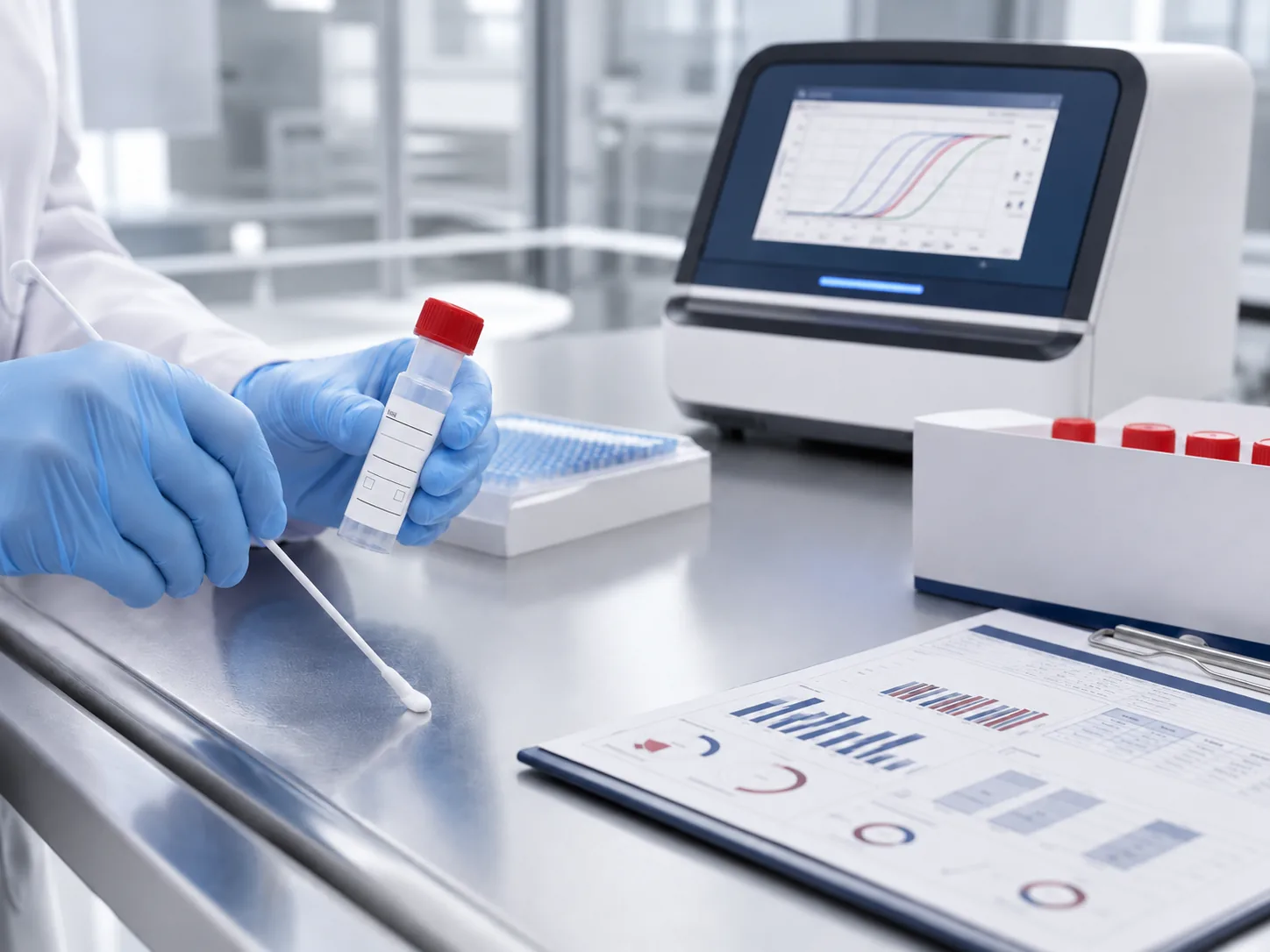
The Inducoat qPCR test makes the DNA of predetermined mould species quantitatively measurable, even when no visible growth is yet present. While a visual inspection or culture test may be limited to what is visible or culturable, qPCR provides quantitative and reproducible measurement data more quickly when the same sampling and assay protocol is followed.
This allows professionals to monitor the presence and quantity of the measured DNA, for example with baseline and follow-up measurements, and to better justify decisions regarding hygiene, maintenance, and further investigation. The significance of the result depends on the sampling method, assay, reference values, and interpretation by the laboratory.
What is a qPCR test?
Objective and measurable detection
The test makes selected DNA signals quantitatively measurable, even when growth is not yet visible. Which species and sample types are detected depends on the chosen panel, the sampling, and the applied assay.Compare effects more accurately
Under a fixed sample protocol, DNA signals can be compared before and after cleaning or treatment. This allows for reproducible monitoring of development between measurement points. A decrease supports the assessment of an effect, but does not in itself prove that a coating caused the difference.Evidence-based quality reporting
The laboratory reports the measurement and the reference used. The results may be included in GMP, BRCGS or ISO quality records, but do not in themselves constitute evidence of clinical safety, audit approval or coating effectiveness.Preventive and more targeted maintenance
Because qPCR can also measure non-visible DNA signals, the test, in combination with inspection and context, can help to more effectively substantiate preventive maintenance plans and follow-up steps.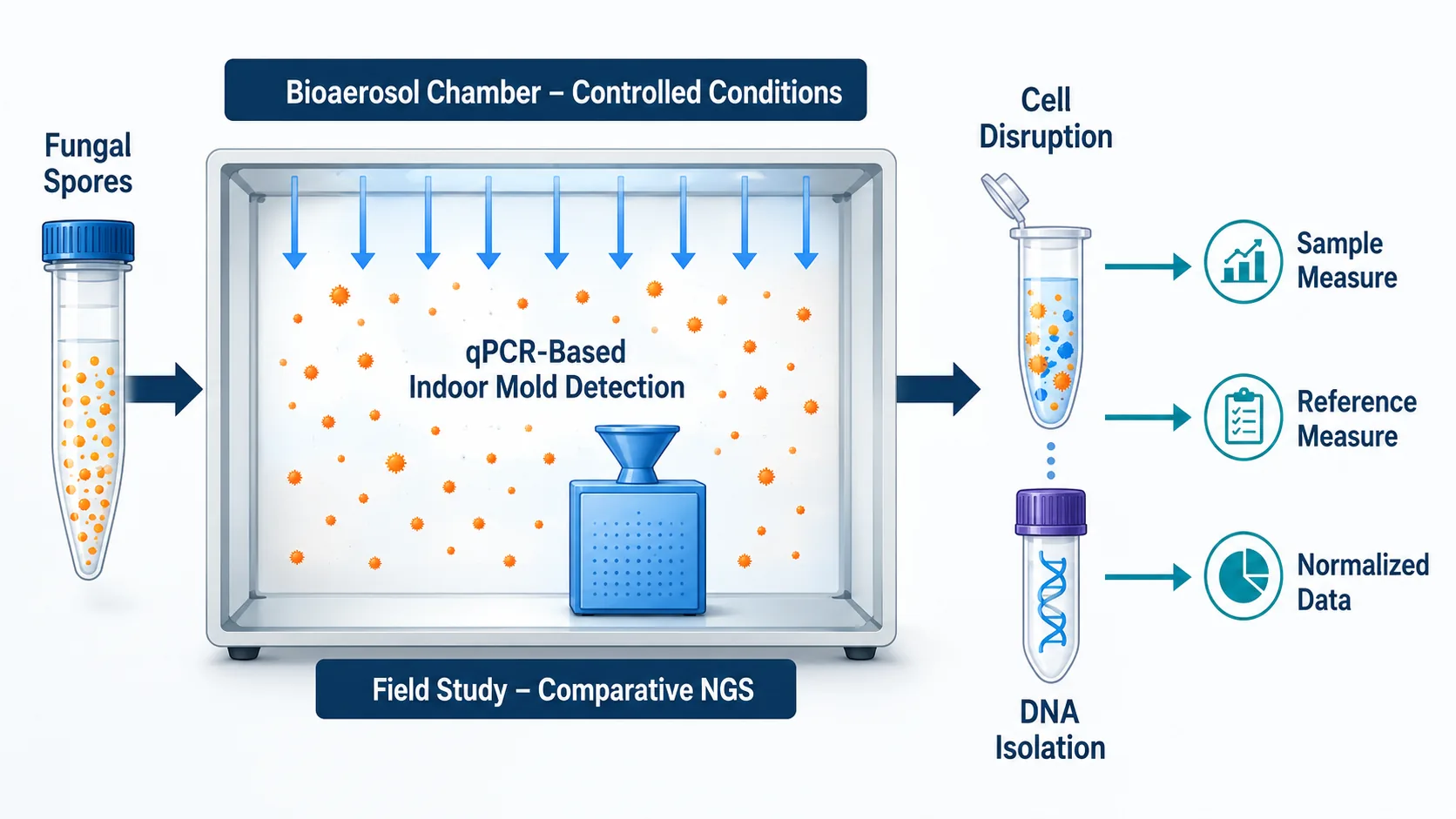
How does a qPCR test work?
#1: On-site sample collection
#2: Laboratory analysis
#3: Results + advice
The external laboratory report describes the measured DNA signal and the reference used. An expert translates the results into follow-up steps.
Categories or limit values are only used when they are defined in the specific laboratory protocol and report.
Costs?
Single-sample rate: €395 (including standard report).
Bulk rate (for 5 samples or more, for example): €300 per sample.
Possibility of premium reporting with additional interpretation, charts and trend analyses: approximately €550 per sample.
All amounts are exclusive of VAT and are for guidance only.
Who, what and why of the Inducoat qPCR test?
The Inducoat qPCR test is intended for professionals who want to measure and monitor microbial DNA signals on surfaces, such as housing associations, property managers, food producers, healthcare institutions and maintenance companies.
The measurement can support the assessment of complaints, inspections and maintenance decisions. Its significance remains dependent on the sampling protocol, the panel measured and the laboratory's interpretation.
The Inducoat qPCR test is a DNA analysis for predetermined mould species in a sample. The test measures the DNA signal present in accordance with the assay and laboratory protocol used.
The result does not automatically indicate whether cells are alive or dead and is not, in itself, an explanation of the cause or safety of a space.
Merely looking or smelling does not provide a quantitative measurement. A qPCR measurement can therefore help with:
- Comparison: a baseline and follow-up measurement under the same protocol;
- Substantiation: of complaint investigations, inspections or maintenance;
- Reporting: of the measured DNA signal and the reference used;
- More targeted maintenance: as subsequent steps can be based on measurement data.
The test does not replace expert assessment and does not in itself prove coating effectiveness or audit approval.
In most cases, the result is available within 24 to 48 hours after the samples have been received by the laboratory.
The majority of lead time is in planning the sample collection and sending the swab to the laboratory. We are happy to expedite this.
The report describes the measured DNA signal of the investigated target organisms and the method applied. Depending on the laboratory protocol, a comparison with reference values or previous samples may also be included.
An expert translates the results into follow-up steps. Categories or threshold values are only used when the specific laboratory protocol and report define them.
Request contact