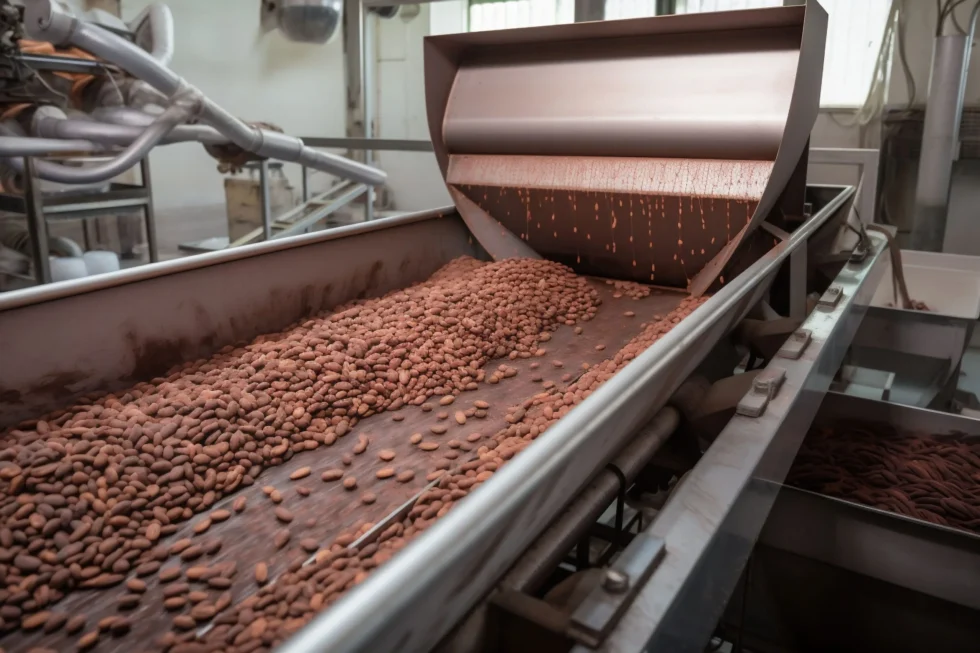




Strict hygiene measures for safe infant formula
Abbott produces a wide range of dairy products specially developed for infants, toddlers, children and adults with
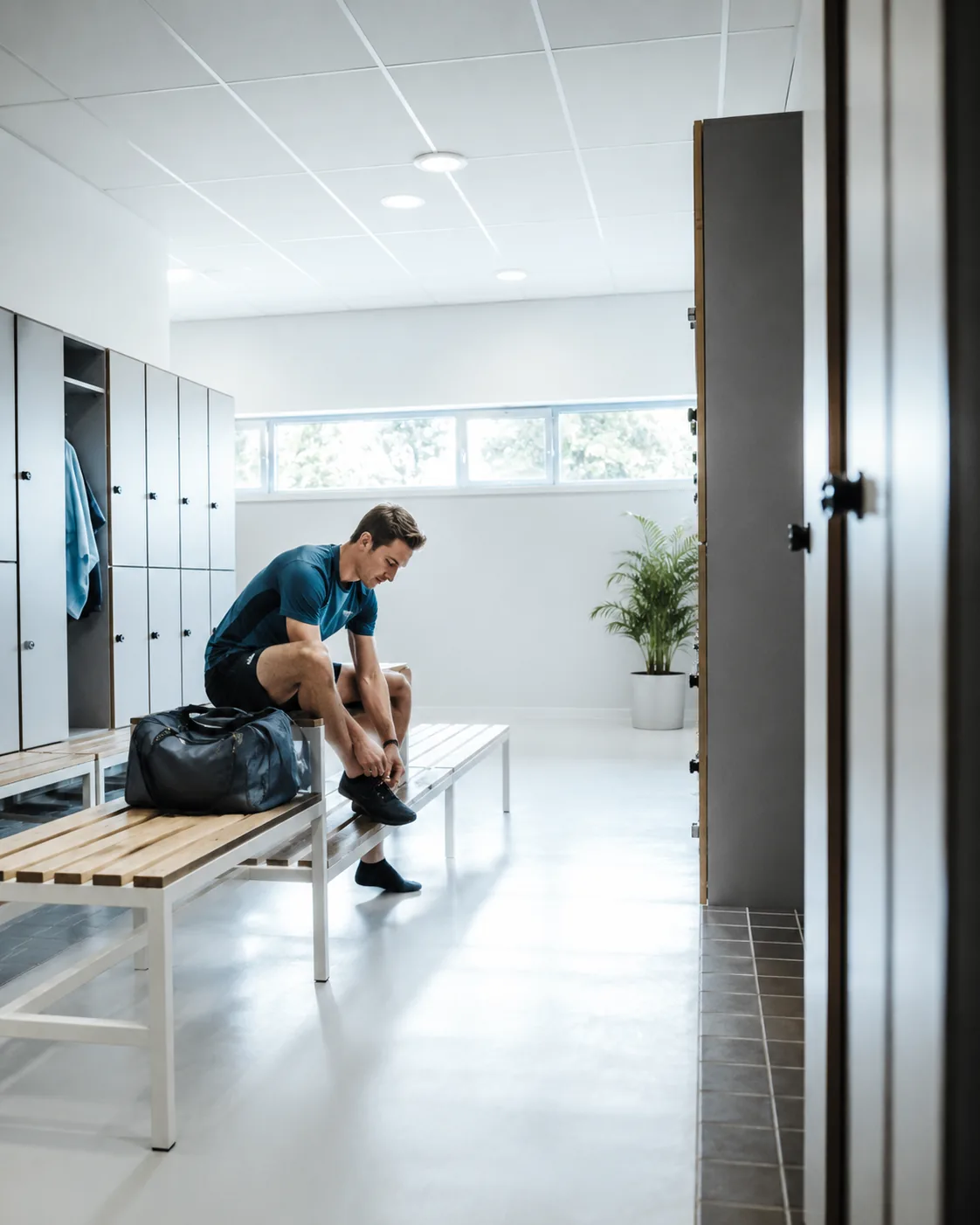

Despite improved ventilation systems, air quality in changing rooms remains a concern. Measurements can reveal moisture and mould growth, even when structural measures have been implemented. What you can't see, can still be there.
This is why sports clubs and facilities sometimes opt for mould-resistant coatings for changing rooms during planned maintenance. The dry coating film has been tested for mould resistance; ventilation, moisture control, cleaning, and structural measures remain paramount.
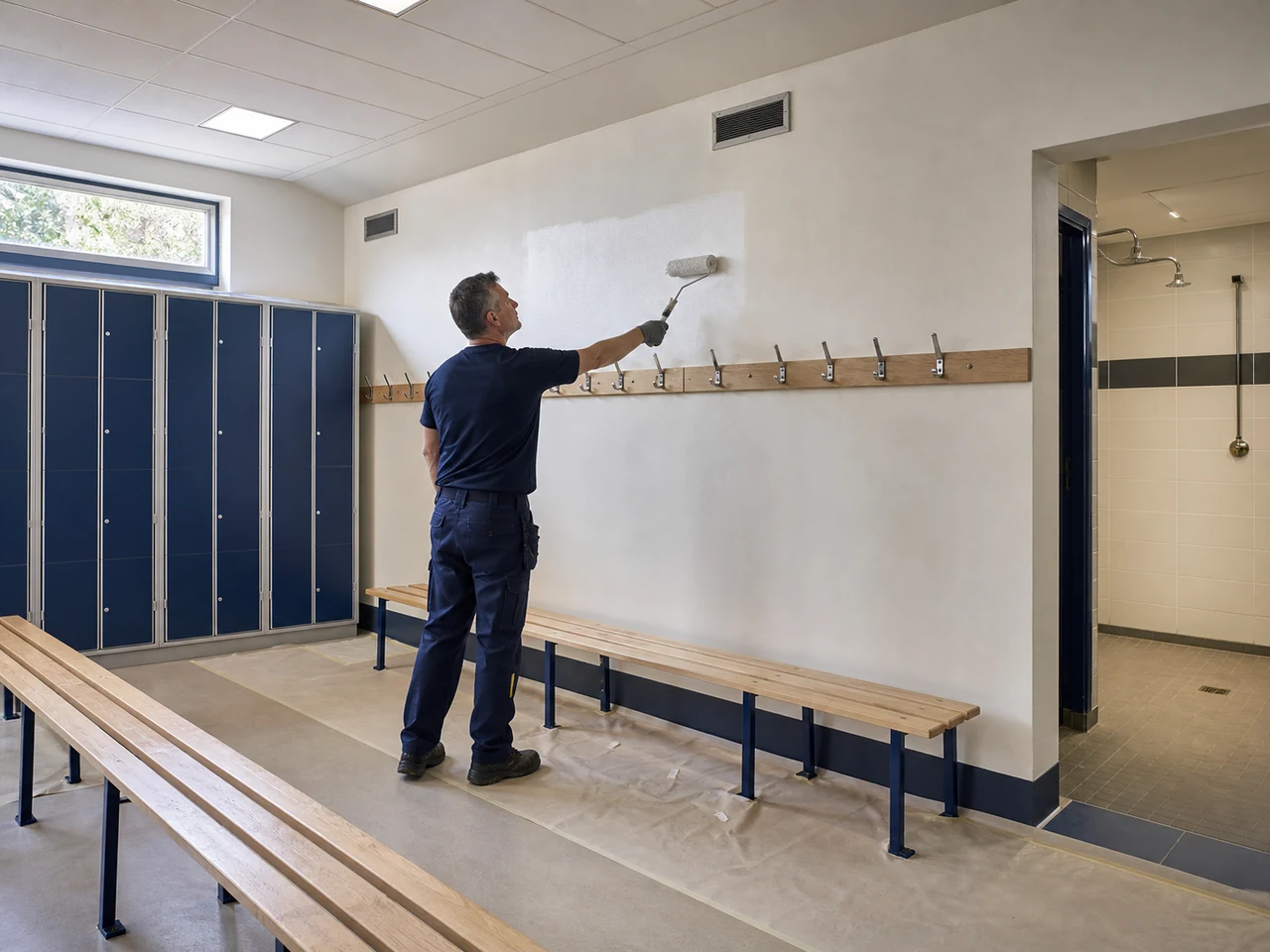
Is painting work planned? When the project situation allows, the system selection can be incorporated within the same maintenance budget and maintenance window, in any desired colour scheme. This makes a fresher and more pleasant space achievable without an additional work phase.
Complaints from athletes and coaches regarding health and air quality
Structural causes require a source-based approach
Insufficient knowledge of mould and finishing
The application of mould-resistant wall finishes for sports facilities with Inducoat Fungi can be tailored to project-specific structural and hygienic preconditions. The finish therefore does not replace primary building-physics measures, but forms an additional protective layer that increases the durability and robustness of the interior finish.
When painting work is scheduled in the changing rooms during a maintenance period, Inducoat Fungi can be included in the system selection as a mould-resistant wall finish. If the project situation allows, this can be done within the same budget and schedule, directly from stock and in almost any colour scheme. This allows one maintenance window to be used for tackling the cause, substrate preparation and a future-proof finish, without an additional work phase.
In a practical SchimmelZeker session, we discuss the substrate, moisture and ventilation situation, implementation and future management considerations with the facilities manager and painter.
Mould problems in changing rooms are often related to moisture, condensation, ventilation and intensive use. Addressing the source always remains the guiding principle. However, costs, planning and renovation do not always make it possible to eliminate all causes immediately.
When structural measures and maintenance cannot take place simultaneously, a mould-resistant wall finish offers a practical interim solution. The coating protects the dry paint film, but does not replace ventilation, cleaning, or moisture control. This gives the association and manager time for a structural solution and limits visible nuisance within the maintenance plan.
The club, facilities manager and maintenance partner thus work from a single plan for tackling the cause, finishing, cleaning and follow-up maintenance.
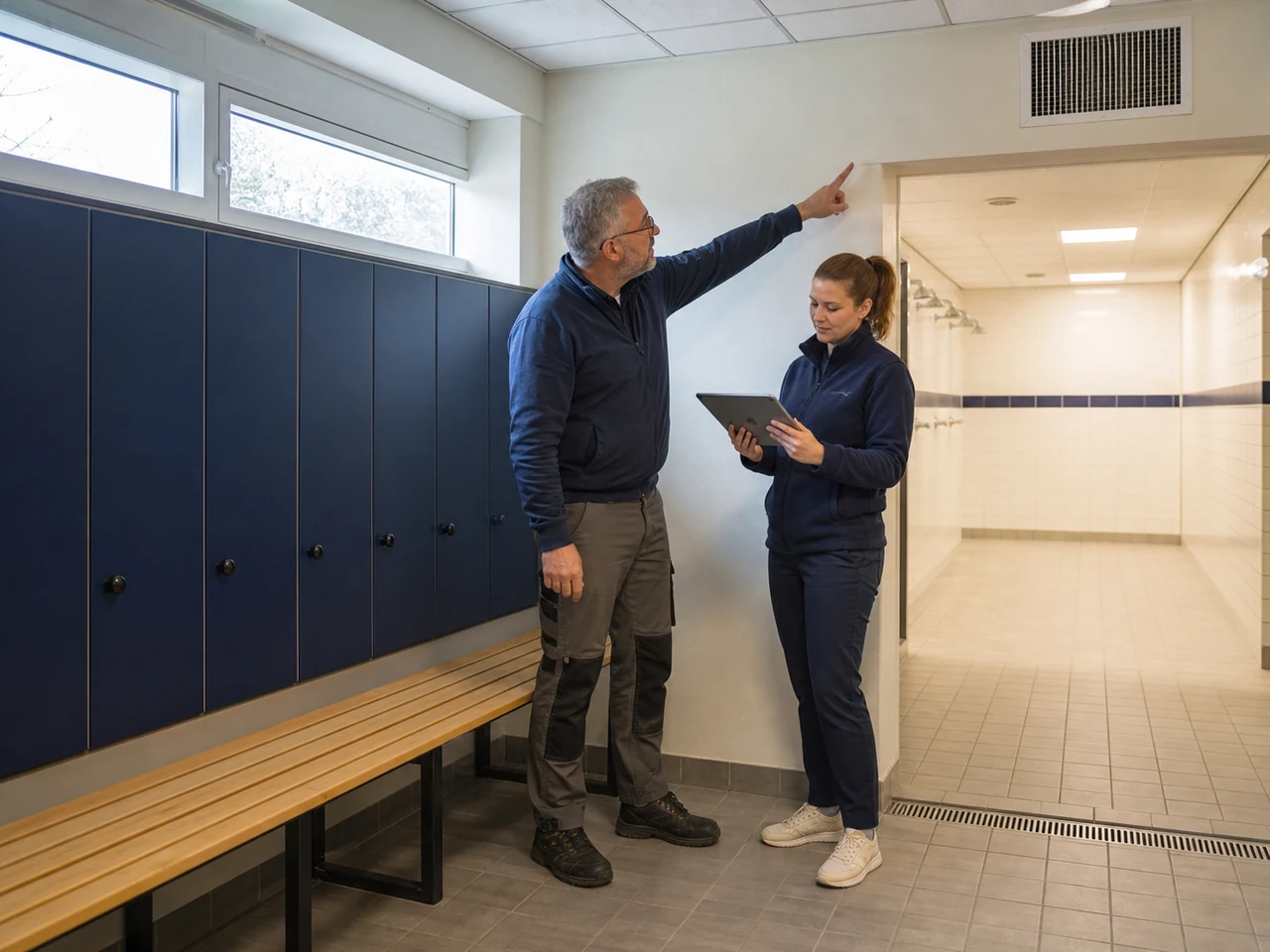
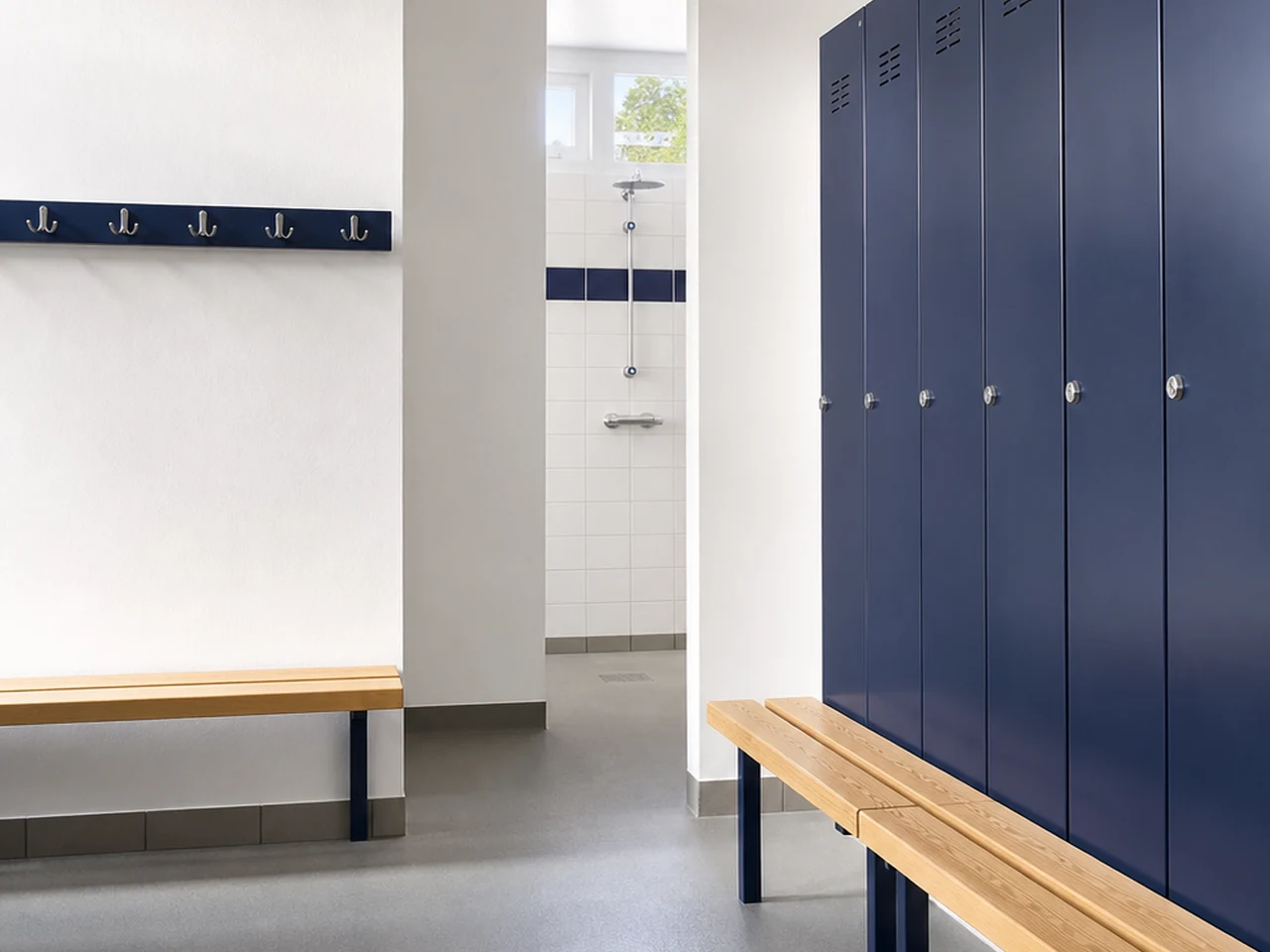
A joint approach – The club, facilities manager and maintenance partner work from the same assessment and system selection, aimed at fewer recurring complaints and greater certainty in maintenance.
Long-lasting protection Thanks to Slow Release technology, the dry paint film remains mould-resistant for years, even in damp and heavily used changing rooms and sanitary areas.
Tailored for use The substrate, ventilation, moisture exposure, cleaning and planned maintenance are assessed together.
In short: A mould-resistant coating for changing rooms is a supplementary finish within a broader, planned approach.
Sources: RIVM (2025); Hillsdon/TRP 10,000 (2014); Moving Communities (2025). The 70% value is a RIVM indicator for winter relative humidity; the 84% and 12% values are taken from TRP 10,000. Moving Communities identifies cleanliness as a priority for improvement. These figures describe conditions and user perceptions and do not constitute evidence of the effectiveness of Inducoat products.
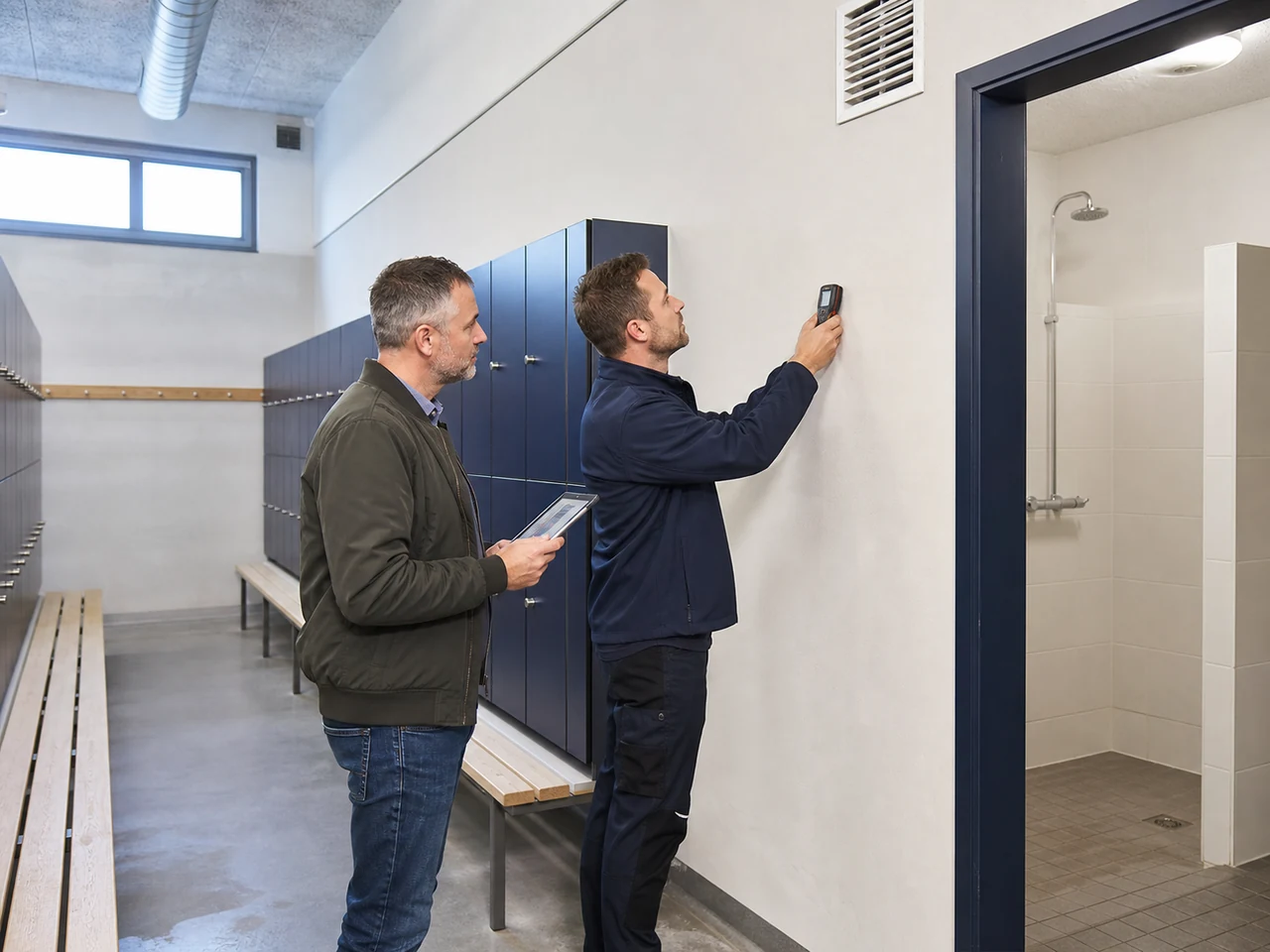
Within sports facilities, mould is usually not a standalone performance requirement in maintenance or renovation policy. The subject falls indirectly under structural and building-services preconditions, such as ventilation capacity, control of moisture exposure, prevention of condensation, sufficient drying and low-maintenance finishes.
The approach therefore starts with ventilation, moisture exposure, condensation, drying and maintenance. Mould in sports changing rooms consequently remains a relevant building-physics risk. Mould-resistant wall finishing for sports facilities can then be assessed as an additional system layer.
Research has shown that damp and mould problems are linked to increased coughing, wheezing and other respiratory symptoms.
Visible mould and a musty smell can affect the experience of athletes, trainers, and visitors.
In the case of vulnerable users, careful assessment of the indoor environment warrants particular attention.
Recurring patches require diagnosis, action to tackle the cause and planned maintenance.
A visibly clean and well-maintained changing room enhances comfort and the user experience.
Request the Test & Trust kit