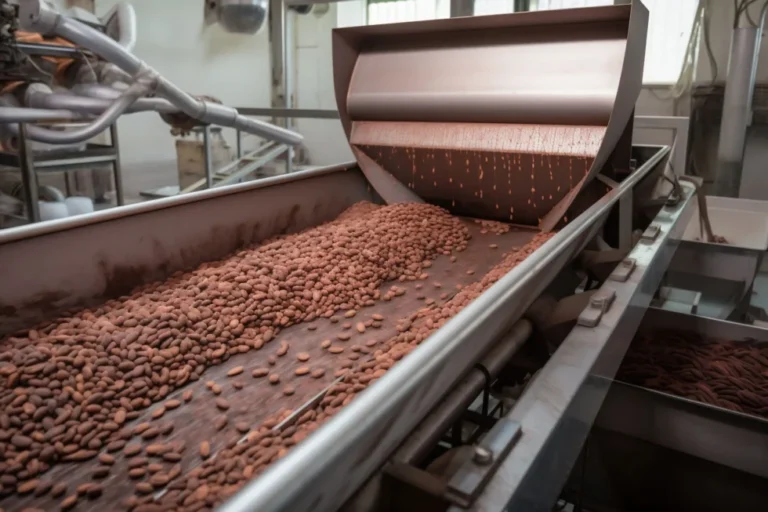
Cargill is one of the world’s largest players in the cocoa industry and has factories and facilities around the world, including Cargill Cocoa Wormerveer in the Netherlands. Hygiene is an essential part of the production process, which is why Cargill Cocoa Wormerveer applies strict hygiene standards to safeguard the quality and safety of its cocoa products. Inducoat is an established part of its hygiene policy, practices and certifications at the cocoa factory in Wormerveer.
“The use of Inducoat antimicrobial coatings can indeed help reduce the need for frequent cleaning and minimise the spread of germs,” said the then Head of Quality Assurance in the original project description.
That project description identified three possible routes to lower cleaning costs:
- Less frequent cleaning: the source linked the use of microbe-resistant coatings to the possibility that surfaces could remain clean for longer and require less frequent cleaning.
- Reduced use of cleaning agents: according to the source, their use may lead to less need for aggressive cleaning agents, with potential cost and environmental benefits.
- Longer service life of the finish: microbe-resistant coatings are designed to make the dry paint film resistant to attack by micro-organisms. This can extend the service life of the finish, reducing the frequency with which replacement or repair is required.
The technically substantiated effect of the coating relates exclusively to protecting the dry paint film against microbial attack. Microbe-resistant coatings are not a substitute for regular cleaning and good hygiene practices. Surfaces must still be cleaned and disinfected in accordance with the regular protocol to remove dirt, dust and other contaminants.