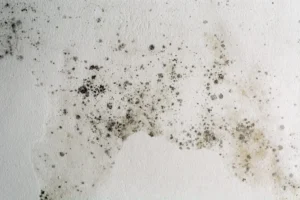
Mould resistance is an important aspect in the food industry, particularly in bakeries, because of food-safety standards such as version 7 of the British Retail Consortium (BRC) Global Standard for Food Safety (BRC 7). In the original project description, Inducoat Fungi was therefore specified as a mould-resistant wall and ceiling finish; the sealant was also widely used in proving cabinets.
Mould thrives in damp environments. Although maintaining suitable humidity levels in bakeries can help limit mould growth, additional support in the form of a mould-resistant wall and ceiling finish is relevant.
Bakeries must ensure that ingredients, semi-finished products and finished products are stored and preserved correctly to prevent mould growth. This includes avoiding damp conditions, maintaining suitable temperatures and minimising exposure to air. The project’s choice of a mould-resistant finish from Inducoat formed part of that broader approach.
Training and awareness among the technical services team also proved important in this project. Inducoat’s mould-resistant coatings and sealant are not always well known. “The explanation and the references proved important in creating the right impression of this project,” said Peter van der Pennen.
The original project described a well-considered mould-resistant system and attention to BRC 7 as ways of promoting hygiene and limiting contamination risks in the bakery.
BRC 7 is a certification standard for food-safety and quality management at food-production sites; site certification is not product certification or a guarantee of hygiene. Inducoat Fungi protects only the dry paint film against fungal attack. A mould-resistant finish is one material choice within the broader assessment of processes, infrastructure and hygiene practices and does not in itself establish conformity with BRC 7.