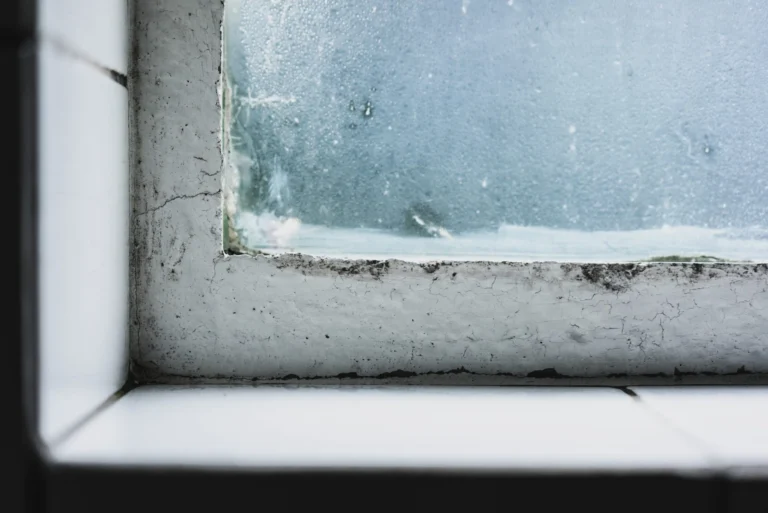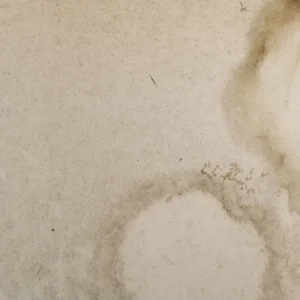
Mould in the home develops where moisture accumulates — often in places we do not notice immediately, such as walls, ceilings and furniture. Moisture, high humidity, insufficient ventilation and leaks are the main drivers. Prevention starts with moisture control, ventilation and prompt repair of leaks.
What causes mould?
Mould needs moisture to grow. Excessive humidity causes condensation on surfaces such as windows and walls; insufficient ventilation allows that humidity to rise. Leaks or flooding also make surfaces damp, and some materials or products can promote growth. Mould can be harmful to health — particularly in cases of sensitivity or allergy (respiratory, skin and eye irritation) — and can damage materials such as wood, paper and plaster.
What to do about mould
Remove mould as quickly as possible to prevent further damage. The cause is often clearly visible and measurable: poor ventilation, excessive humidity or inadequate building construction. If that structural cause cannot be removed immediately, a mould-resistant system — a paint with a dry paint film that is resistant to attack by mould — provides interim protection for the surface and can be applied to concrete, render, plaster and wood, among other substrates. It remains a supplement to tackling the source of moisture.
How do you prevent mould?
- Keep humidity at a healthy level (around 50%).
- Ventilate well — regularly open windows and doors to circulate the air.
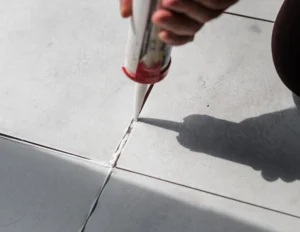
- Repair leaks or water damage promptly.
- Maintain the home properly and check for leaks and effective rainwater drainage.
If you are unsure about the cause or approach, engage a professional company; if you have health concerns, consult your doctor.
Answer a few short questions to discover the likely cause and the appropriate approach.