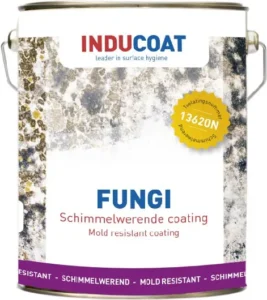
Mould in the bedroom deserves attention — you spend an average of 7 to 8 hours there each night. Poor air quality due to mould can cause symptoms, particularly for people with allergies or asthma. Tackle the source of moisture, remove existing mould and finish with a mould-resistant system; ventilation and maintenance remain important.
Why mould in the bedroom matters
Mould in the bedroom can reduce air quality, resulting in respiratory complaints — particularly among people who are sensitive to allergies or asthma. Mould produces spores and sometimes mycotoxins. All those hours of sleep mean prolonged exposure; poor air quality can lead to sleep problems, fatigue and reduced energy during the day. Mould problems should therefore be taken seriously and tackled promptly.
Tackle it step by step
- Identify and remove the source of moisture — leaks, poor ventilation or condensation. If the moisture source cannot be resolved immediately, a mould-resistant finish provides additional surface protection in the interim.
- Clean existing mould — clean the affected surfaces thoroughly, for example with Inducoat Cleaner (see the product data sheet).
- Choose a Mould-resistant paint — a paint whose dry paint film is resistant to attack by mould (tested in accordance with EN 15457).
- Prepare the surfaces — clean, dry and free of dirt, dust and residual mould.
- Apply the paint — evenly, in accordance with the product data sheet.
- Maintain and ventilate — continue taking preventive measures and carrying out maintenance to support a healthy bedroom environment.
Answer a few short questions to discover the likely cause and the appropriate approach.