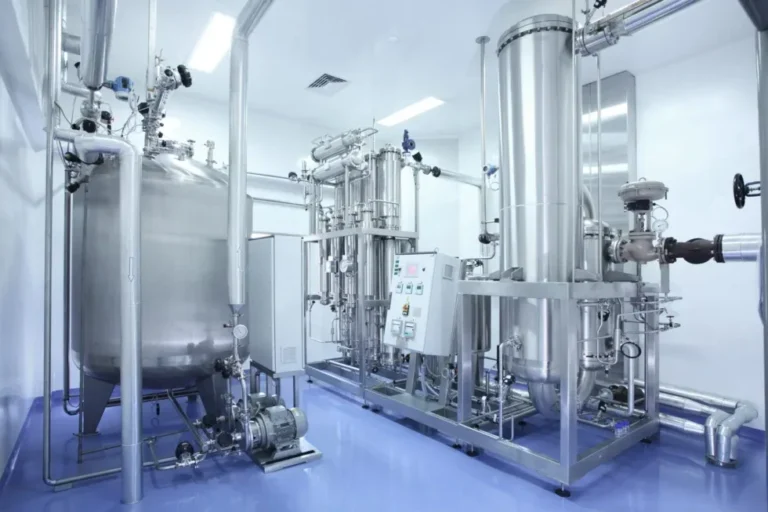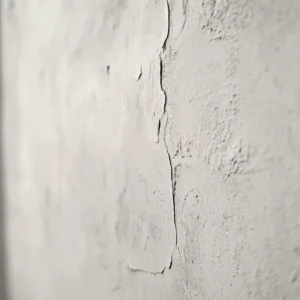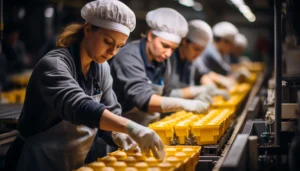
Hygiene in the food industry is an integral part of quality assurance, process control and compliance (HACCP, BRCGS, GMP and ISO). In addition to operational discipline, the technical suitability of materials also matters. Microbe-resistant coatings can fulfil a relevant function in this context — as a technical material property, not as a marketing claim.
Hygiene in the food industry as a quality issue
Production environments must be clean and safe and demonstrably comply with standards such as HACCP, BRCGS, GMP and ISO systems. Microbe-resistant coatings have been developed to make the dry coating film more resistant to attack by micro-organisms. This is particularly important from a technical and operational perspective in spaces with frequent cleaning, increased moisture exposure and intensive use.
Fitting within the standards
HACCP focuses on identifying and controlling food safety risks; BRCGS emphasises the condition of the production environment, cleanability, maintenance and suitability of materials; GMP requires an environment designed and maintained to limit contamination risks; ISO supports process assurance, risk analysis and continuous improvement. Within all these frameworks, the condition of wall and ceiling finishes is directly relevant to inspectability, maintenance and hygienic management.
Carefully positioned from a technical perspective
Microbe-resistant coatings do not replace cleaning protocols, disinfection, ventilation or validation, and are not a standalone solution for microbiological control. Their functional value lies in the resistance of the dry coating film itself. They can therefore contribute to a robust finish in critical spaces, suited to environments where audit readiness, material performance and risk management require ongoing attention.
Our specialists analyse your situation on site and recommend the right system — free of charge and without obligation.