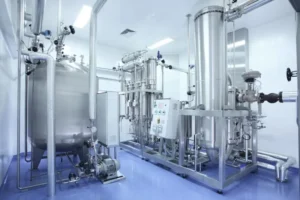
Food safety standards focus on environmental hygiene, including walls and ceilings. Even smooth surfaces (such as sandwich panels) can develop “micro-damages”: microscopic scratches in which microorganisms settle. Standards such as HACCP, BRC, ISO 22000, IFS, FDA and GMP point to maintenance, cleaning and suitable materials — and increasingly to microbe-resistant coatings as an additional measure.
What are micro-damages?
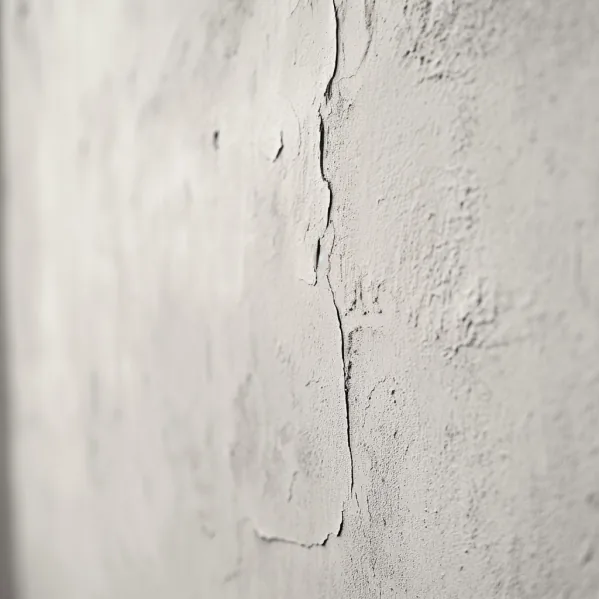
Even a smooth surface can be susceptible to bacterial contamination. Micro-damages are microscopic scratches or damage — often invisible — in which bacteria settle and multiply, and which retain moisture and nutrients: ideal conditions for mould growth. They are caused by wear from equipment, cleaning or mechanical damage, are difficult to detect, but still pose a risk.
What the standards say
- HACCP — identification and control of all hazards, including micro-damages that can lead to contamination; protective (microbe-resistant) coatings are one of the possible control measures.
- BRC — emphasises hygiene zones and maintenance of the “fabric” (Clause 4.4): inspection and repair of damage to walls, floors and ceilings; microbe-resistant coatings can add value, including on apparently smooth surfaces.
- ISO 22000 — hygienic design with smooth, non-absorbent, cleanable surfaces; increasing numbers of architects are choosing treated surfaces.
- IFS Food — requirements for construction and fit-out (Clause 4.1) to prevent contamination; supports resistant coatings, including on smooth surfaces.
- FDA Food Code (US) — timely repair of damaged surfaces (cracks, scratches), with an emphasis on food contact.
- GMP — hygiene throughout the facility through proper maintenance, cleaning and prevention; in practice, quality managers often choose resistant coatings for additional support.
The role of microbe-resistant coatings
All standards point to suitable materials, inspection and cleaning. New insights recognise micro-damages. The efficacy of Inducoat’s microbe-resistant coatings is limited to the resistance of the dry coating film to microorganisms; this is not a claim about the space or the substrate. They make surfaces easier to clean and less prone to retaining dirt, can reduce the need for heavy chemical cleaning (saving costs and being more environmentally friendly) and thus support compliance with food safety standards — as a complement to, not a replacement for, cleaning and maintenance.
Our specialists analyse your situation on site and recommend the right system — free of charge and without obligation.